A technology sector short-squeeze is coming!
_______________
In May I started writing that we were heading into a weak period; the market basically moved sideways during June and July.
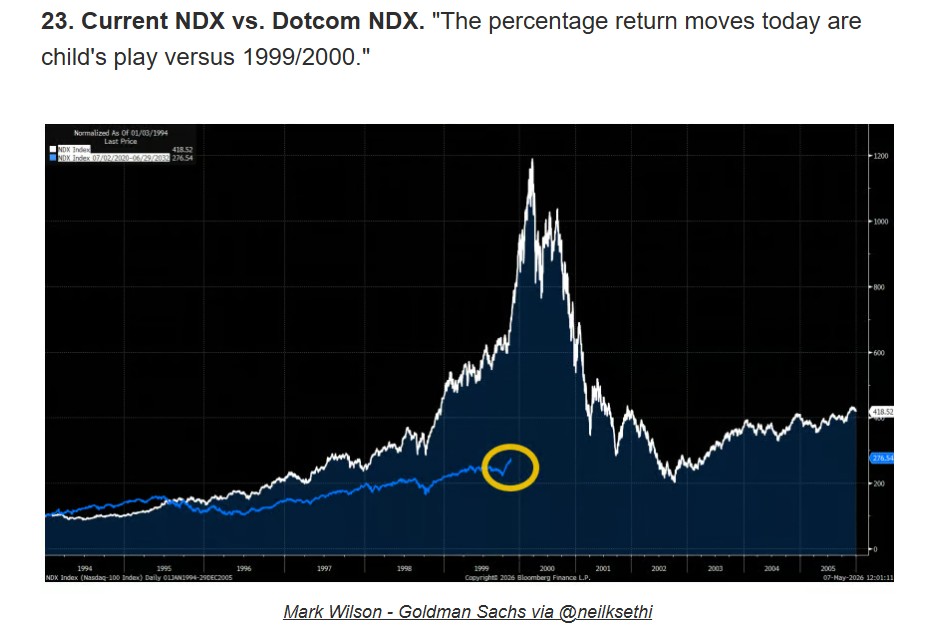
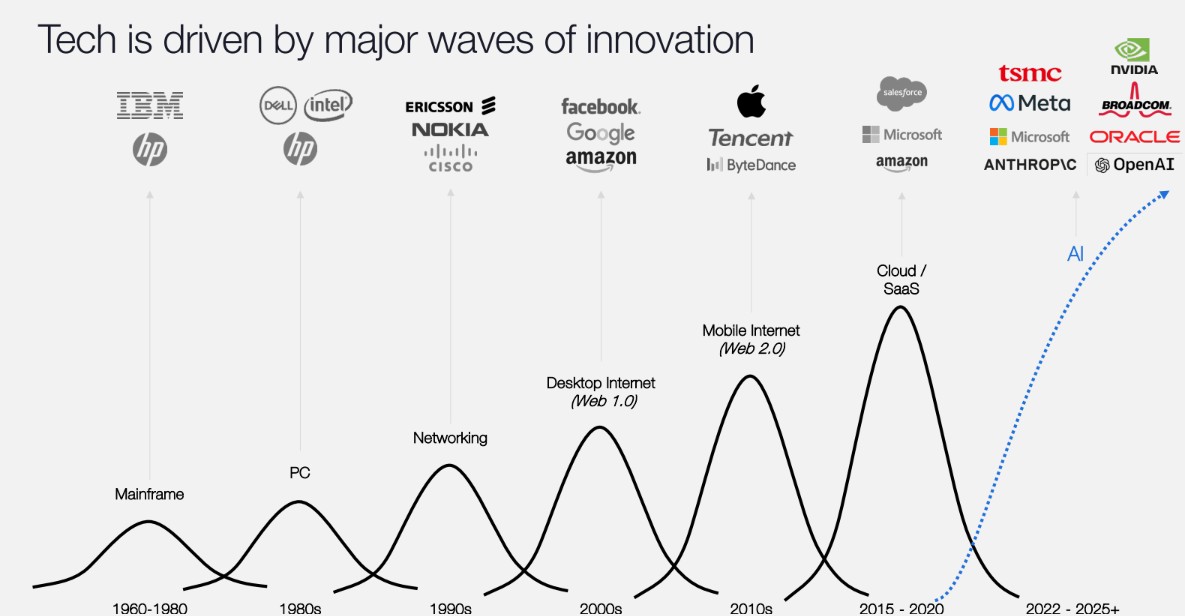
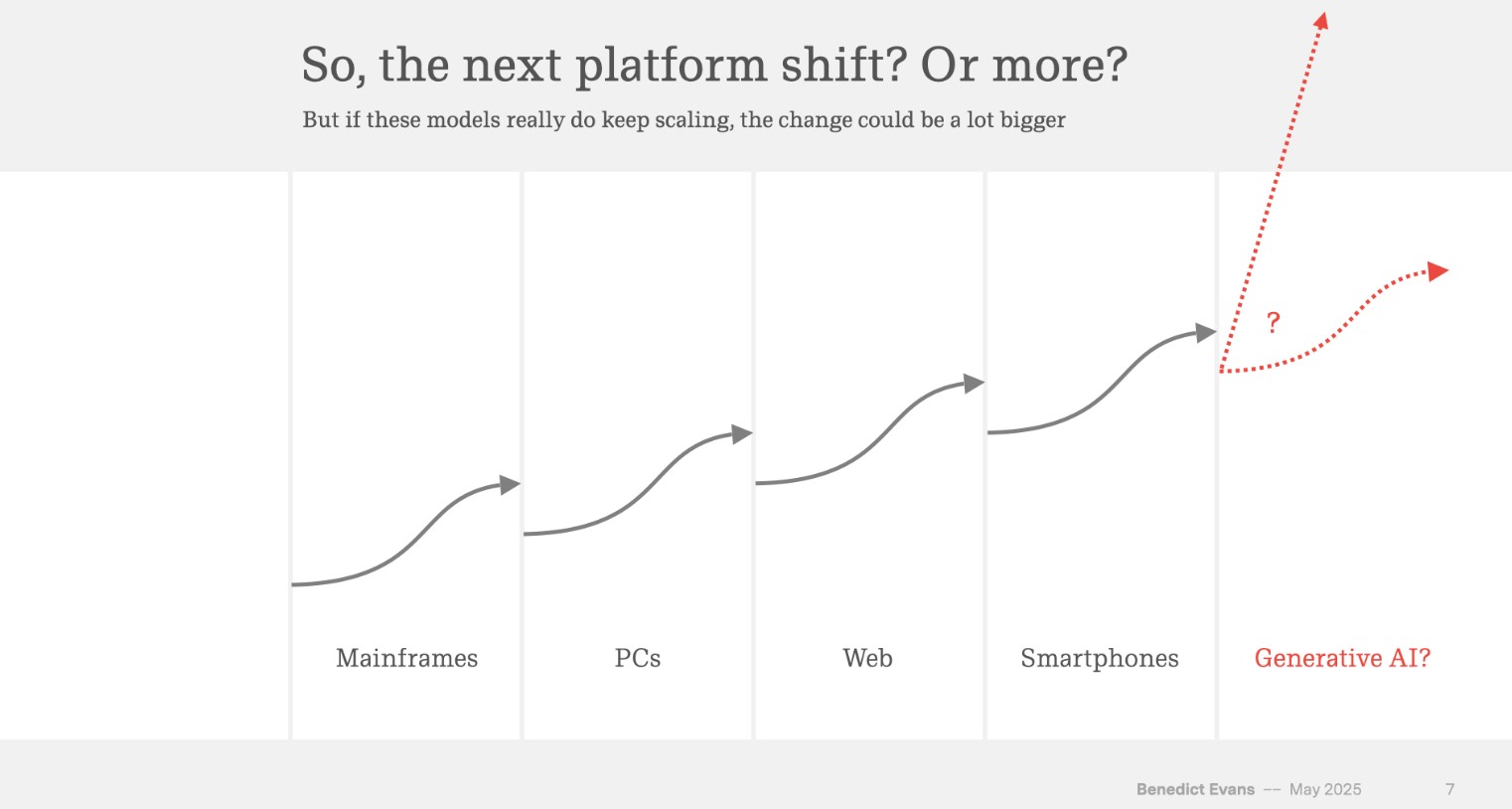
Normally once per year, markets let off pent-up (overbought) steam by correcting downward over a short period of time (perhaps 15% over 1-2 months) or by gyrating sideways for a period of perhaps 2-4 months. Typically, and especially during a mid-term election year (in the second year of a “new” presidential term) and leading up to election day, the stock market is very weak. Then the stock market normally finds real strength during the final 2 months of the year, November and December. And then, the following year (2027 in this case) normally sees tremendous strength. So, with a bubble just starting to form in technology stocks, and with the bubble still being in the very early-stages, we may see substantial strength at the end of 2026 and throughout much of 2027 & 2028 (especially if we get the political gridlock after the November elections that Wall Street so loves).
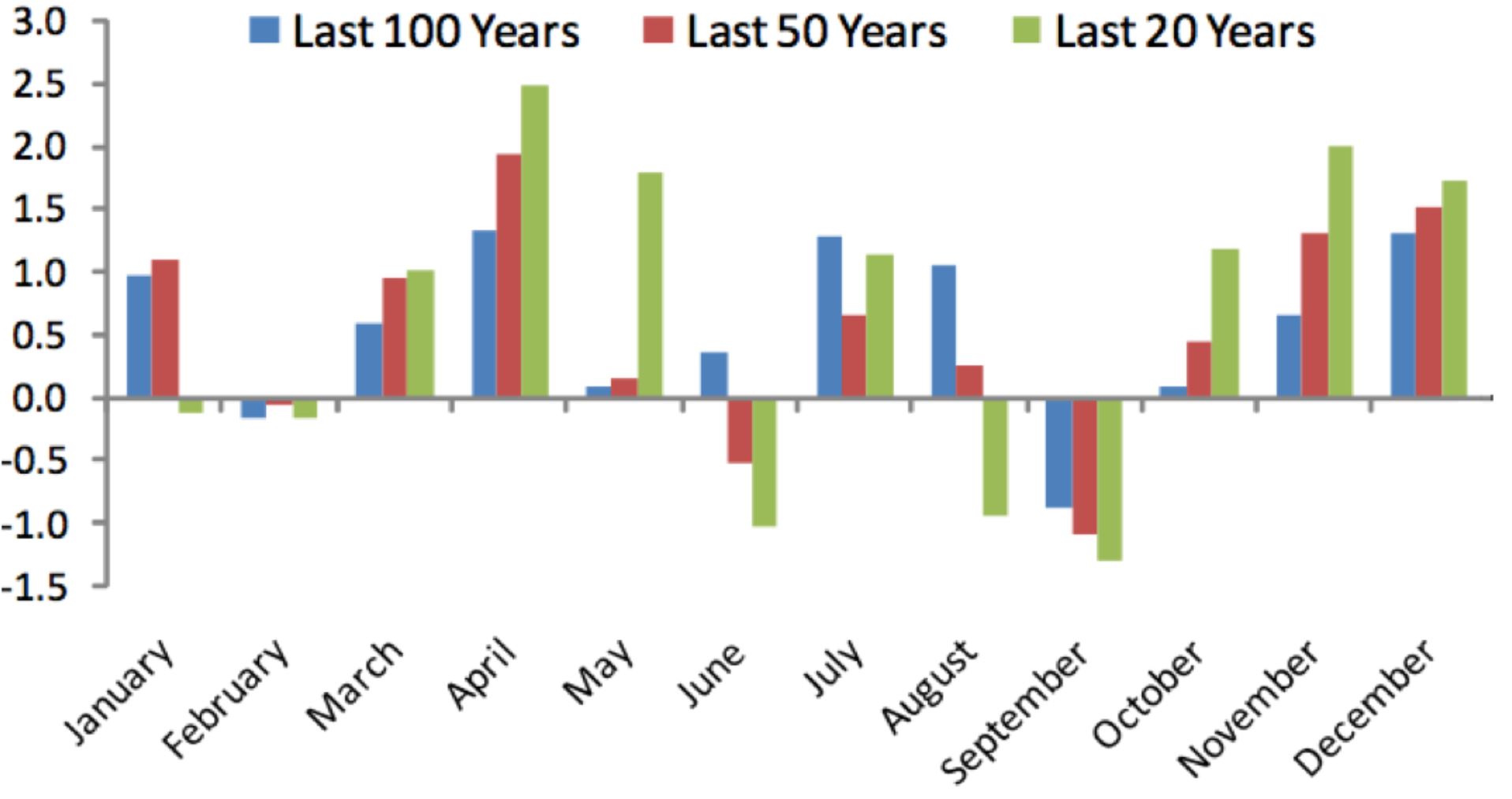
Historically, over the past 20/50/100 years, September has been the weakest month for stocks and mid-term elections often make the situation even worse.
 .
.
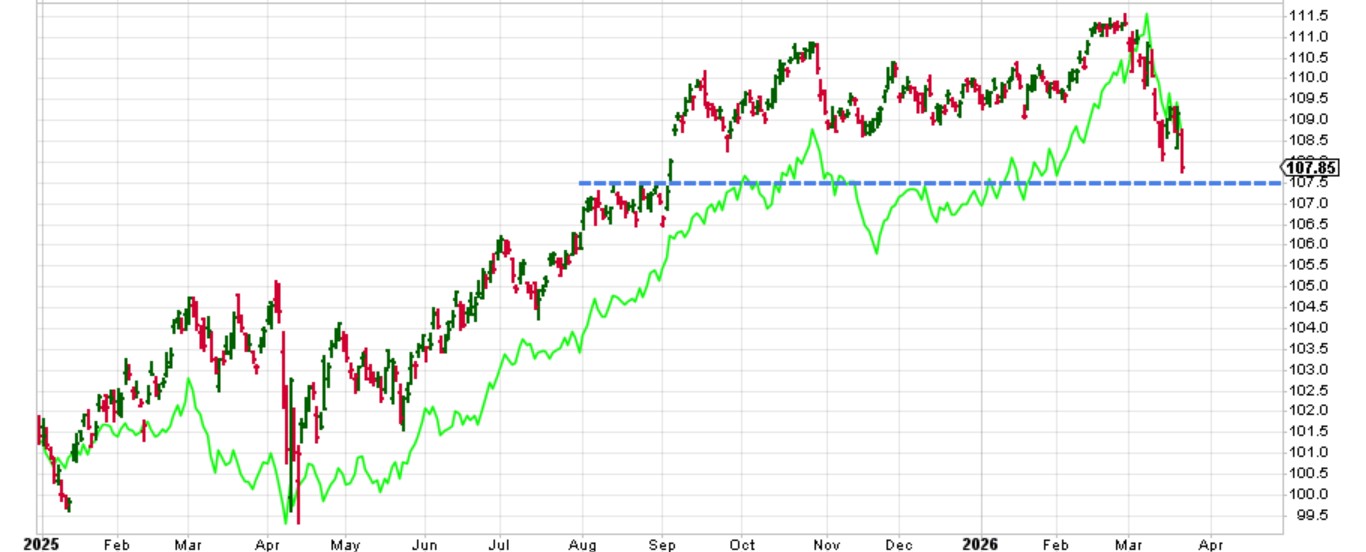
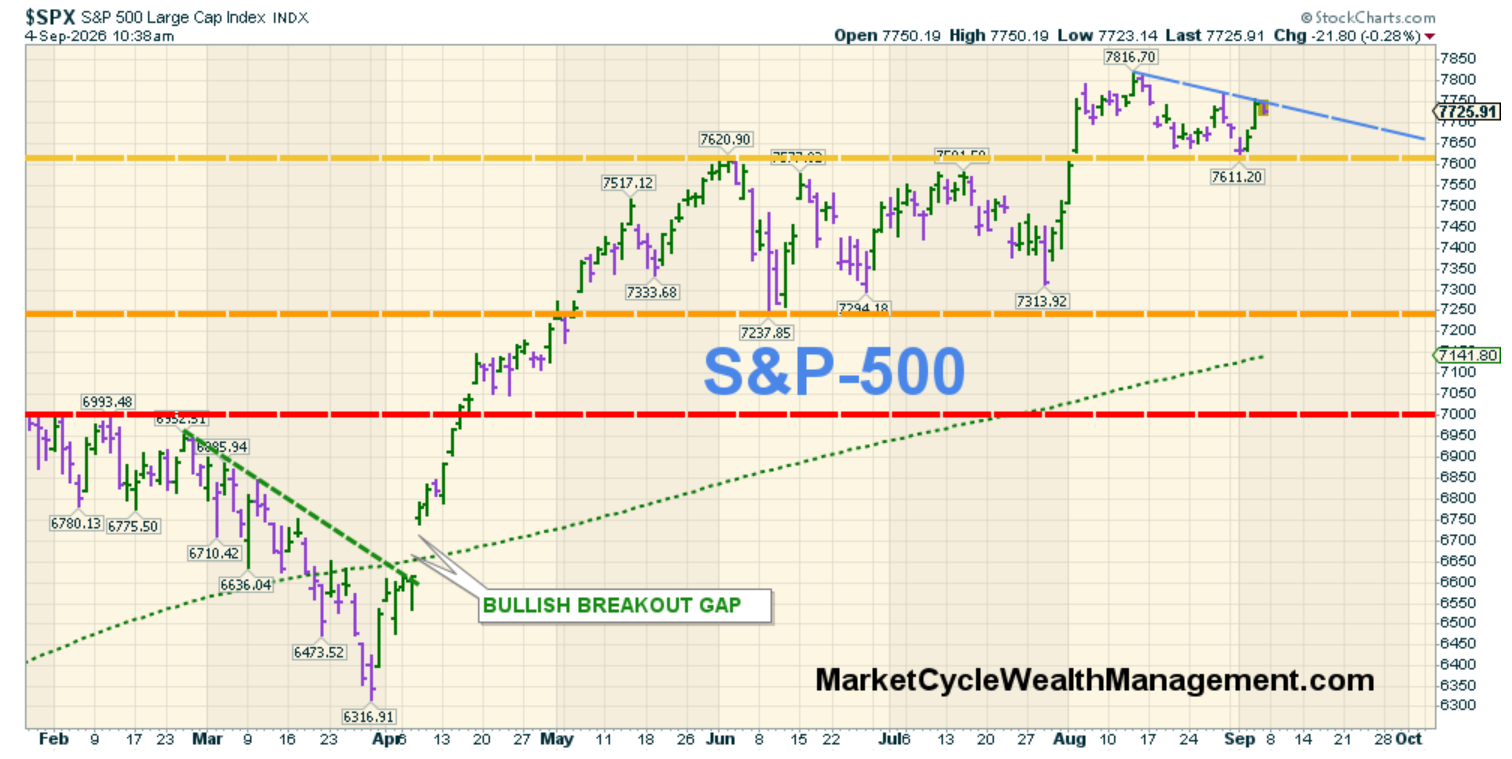
The chart below shows where support is for the S&P-500, should the market decide to pull back a bit. In a recent late-August client email I did predict that the S&P-500 would pull back to 7620-ish and it finally did that on September 1st. This is shown at the GOLDEN dashed horizontal line below. If it breaks below that line, then the next logical bottom is at the ORANGE line @ 7250. I don’t think that it would reach the RED line (@ 7000), but it could if enough shenanigans come out of the White House, especially if it presents as an effort to stop the November elections. Still, that type of pullback isn’t too bad and of course it would be temporary since this incredibly strong technology-centered bull market is still in early stages and the stock market is likely heading into the stratosphere regardless of what happens all around it.
Politics is not the same thing as the stock market. The economy is not the same thing as the stock market; they move out of synch with the stock market leading the economy by several months. News is not the same thing as the stock market and it only affects the stock market in the short-term. One’s emotions are never the same thing as the stock market. Stocks, which represent your partial ownership in corporations, do well if corporations do well. Period, end of story.
BELOW: The S&P-500 support lines are shown here. The S&P could bottom at any of these three horizontal support lines. The red horizontal line is the least likely target. And after finding its “seasonal” bottom, likely by the early November (elections), the stock market should sky-rocket higher. (Chart from Friday, September 4th, 2026.)
.
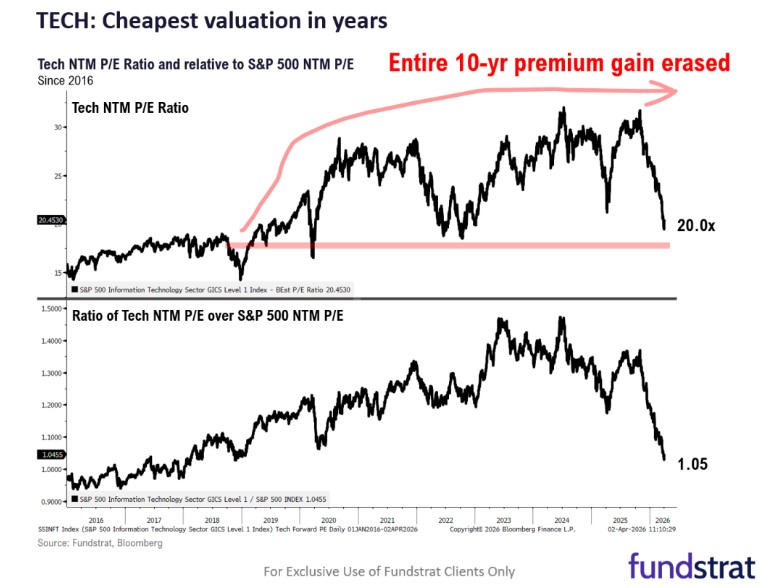
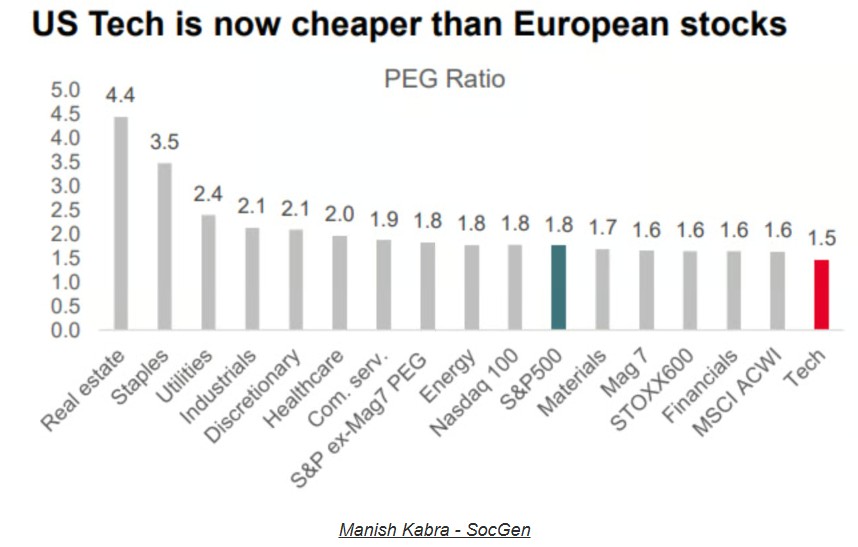
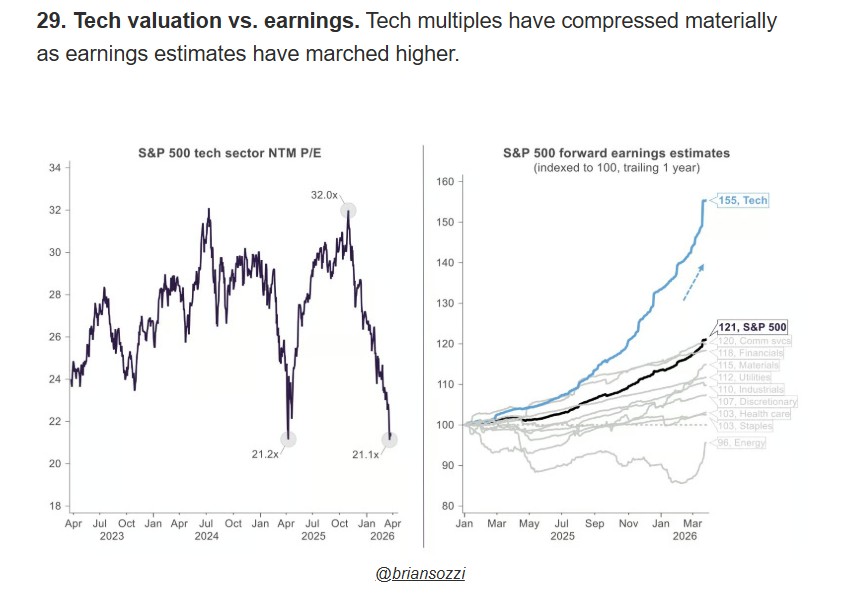
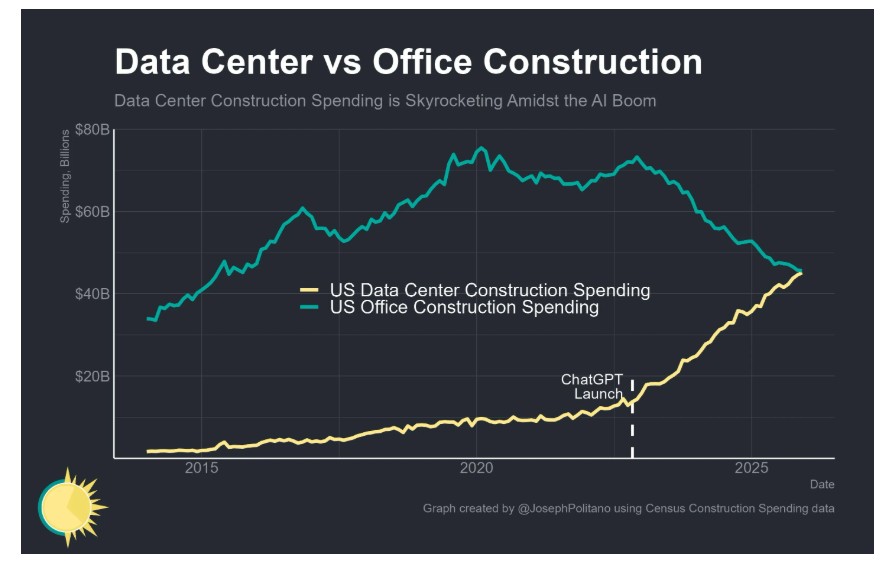
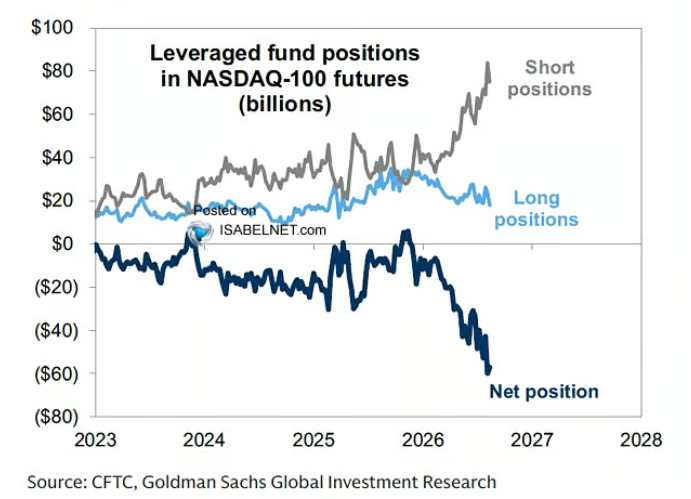
What would make the stock market take off strongly after this period of weakness is over? This is a technology lead bull market. Technology was overbought and it is now very OVERSOLD, especially anything related to AI. But the main bullish catapult will be the gigantic “short” position that is currently held in technology and AI stocks. A “short” position is a trader’s bet that the market is going to plummet and a disproportionate percentage of traders are currently making this bet. This is an extreme bearish position and when it unwinds and switches to “bullish-covering,” there will be a sonic boom sound as it takes off, with technology and AI stocks likely rocketing parabolically higher, making up for lost time.
Summary for investors, and this is important: The record high “short” position in AI and technology will cause a massive bullish “short-covering rally” (Chart courtesy of Goldman Sachs Global Investment Research, to private clients.) It is almost a certainty that the grey line below (short-positioned bears) will plummet while the blue lines (long-positioned bulls) will sky-rocket, creating big gains for investors at a sudden and rapid pace. In my opinion, an event like this is not to be missed!
.
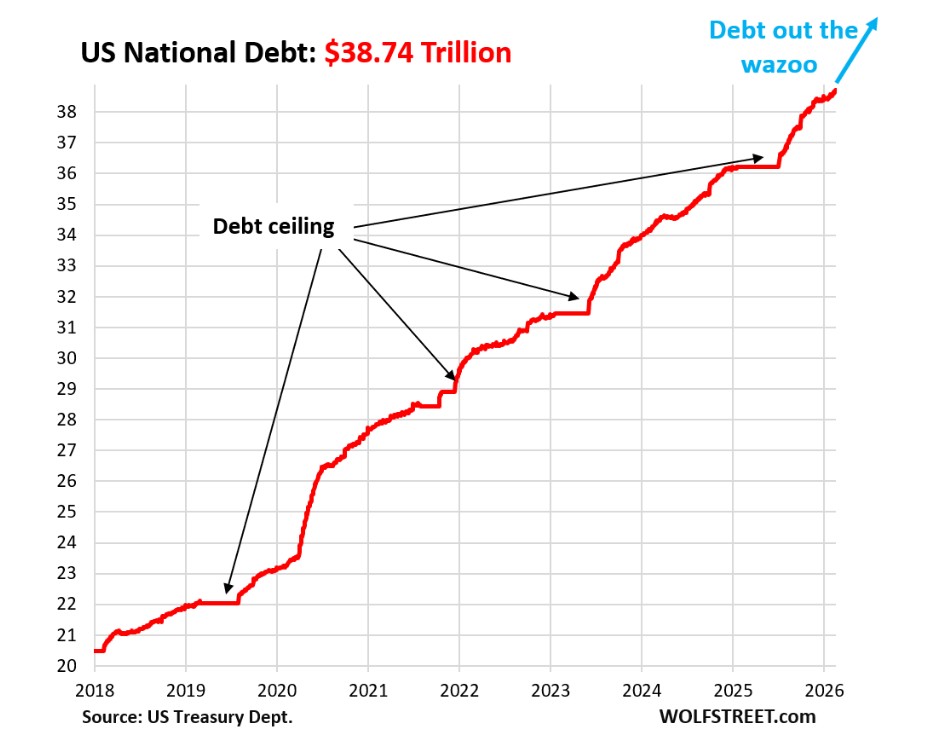
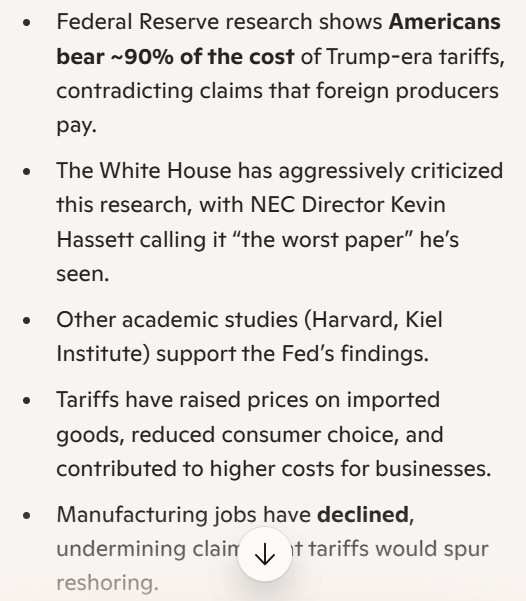
SUMMARY of this post: The weakness that we predicted and that started this past June may not completely end until after the election in very early November, and then the party starts… unless high-level shenanigans happen. But I am not currently actually predicting that anything ruins the party since the market is slowly becoming numb to constant & continual & exhausting 24/7 political news & events unless the “event” is extreme.
.
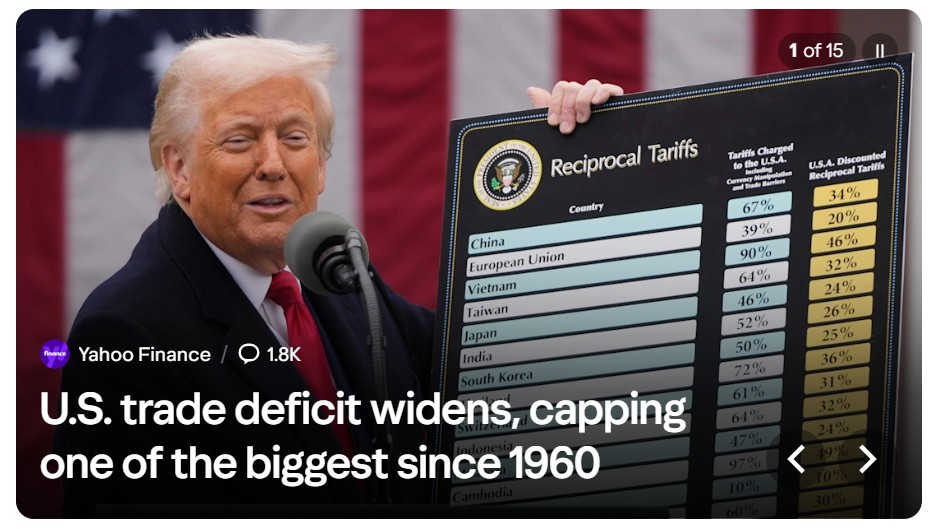
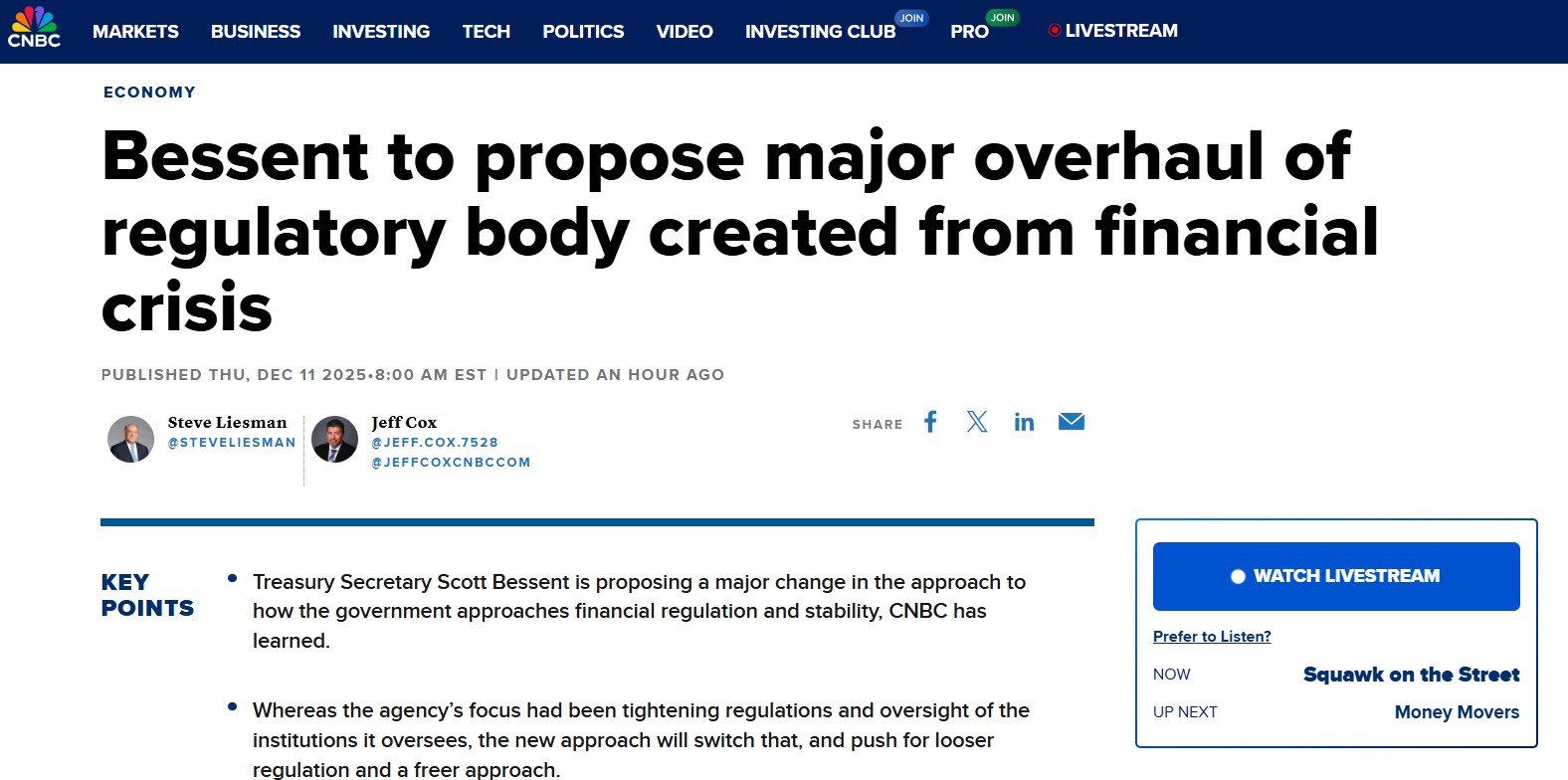
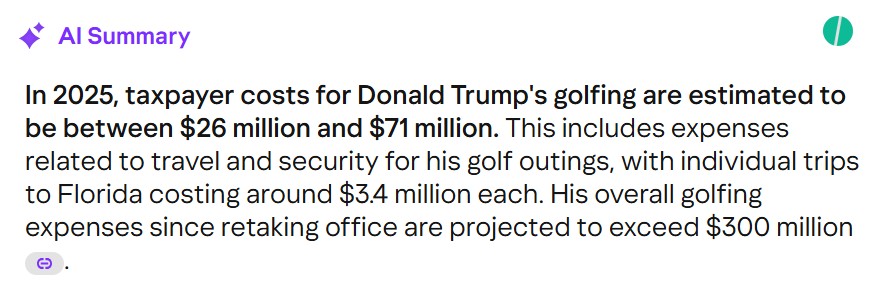
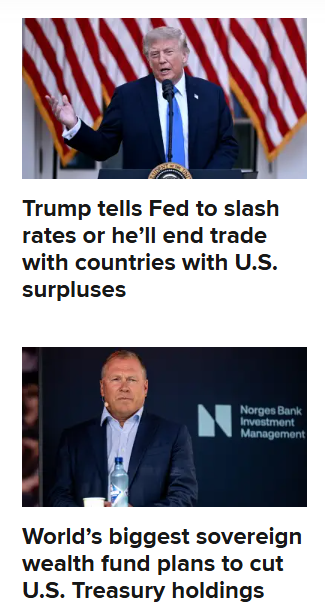
Shenanigans: This is just one news snippet from 10:07 AM on Friday, September 4th.
.
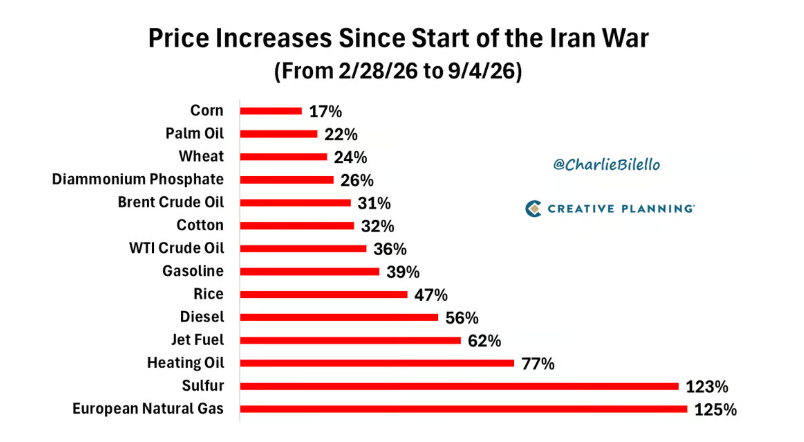
And then there is this:
.
Thanks for reading! A super-strong market may be heading our way!
.

.
MarketCycle Wealth Management is in the business of navigating your investment account through the coming bubble and the subsequent rough waters caused by “shenanigans.” We work hard to earn our keep. There is a “contact” tab on the website.
.